Whispers of Insights#1: Start Creating Your Beautiful Past…Your Last Living Legacy

Uncategorized

As coaches, we often focus on the future, helping our clients envision what they want to be, do, and achieve.

We also look at the past, not to stay there, but to raise awareness around triggers, patterns of behaviour, beliefs, and the distinction between descriptive values (what we truly value) and inherited values (what we’ve taken on).

Because awareness is the first step toward any meaningful shift; to stop something, do it differently, or start something new.

If we look at a simple coaching framework like the GROW model, it guides the client through four key steps:

G – Goal: What do you want to be, do, achieve? And why is this important to you?

R – Reality: What is your current situation, and what resources do you already have?

O – Options: What possibilities exist? What else could you try?

W – Will / Way Forward: What specific actions will you take? When? How well does this action align with your values, mind, heart, gut, and soul?

While coaching is future oriented, I’ve been reflecting on something deeper.

When we focus on the future “Tomorrow”, we are simultaneously rewriting our past “Yesterday”. Our starting point is the now “Today”.

Each small shift, a new habit, a fresh mindset, a deeper connection with your body, an acknowledgment of your emotions, happens today.

And tomorrow, this “today” becomes yesterday, your new past filled with growth, courage, meaningful connections, and conscious choices.

So in essence, we’re not just helping clients create a better future.

 We’re helping them create a beautiful past that becomes their Last Living Legacy.

Think of the great leaders and legends we admire. Even when they’re no longer with us, their presence is still felt. Their words, actions, and way of being continue to shape and inspire lives. They created a past worth remembering, and that’s what legacy truly is.

🤔 What kind of past are you creating today?

🤔 What stories will your actions tell tomorrow?

🤔 And when someone speaks your name one day, what do you hope they’ll remember?

🤔 What past do you want them to see and hold close?

Remember, today will soon be yesterday.

So make each day build a beautiful yesterday, one that can be told and retold, carried by hearts and voices for generations to come.


If this resonates, you might also enjoy my articles:

From Displacement to Belonging: How Can We Create Genuine Integration That Transcends Borders and Differences?

The Art of Deep Listening: 6 Steps to Build Deeper Connections and Better Results

Mindful Eating: How a New Habit Can Change Your Life

The Power of “I” Statements: How “I” Statements Transform Conversations at Work

Rehab Abbas – Leadership Coach | Somatic, Stress & Wellbeing Coach | Certified Value Facilitator

I help you pause, realign, and act from a place of wholeness, where your values guide your choices, your presence fuels your growth, and your actions become your legacy.

My Blog

 Book your Meet & Greet Call here

When Was the Last Time You Did Something for the First Time?

Uncategorized


Renew Your Energy, Renew Your Life

Over time, routine quietly seeps into our lives, weighing us down with both personal and professional responsibilities. We take on many roles such as spouses, parents, and caregivers, and our days become so structured that little space remains for new experiences. With repetition, boredom creeps in, dulling our enthusiasm and draining our energy, mood, and even our relationships. This boredom is like a silent virus. It spreads into every corner of our lives and spills over to those around us, surrounding us with stagnant energy. In those moments, we are no longer the ones choosing what we do; the routine decides for us.

But here’s the truth: we only live once. So do we settle for one monotonous life? Or do we choose a life renewed, full of energy, adventure, and meaningful connections?

The answer lies in the question itself: When was the last time you did something for the first time?

Renewal is the first step toward change. It is the chance to break free from monotony, to try something different, and to rediscover yourself.

A Moment of Discovery

For me, the last time I did something for the first time was when I travelled to Albania. I visited a stunning lake hidden in the mountains, then hiked up until I reached a high viewpoint for an unforgettable photo. But it wasn’t just a trip; it was a moment of discovery. I discovered that I love adventure, and that whenever I step outside my comfort zone, I feel a rush of energy that brings me alive. At one point during the climb, fear crept in. My heartbeat grew louder, and my inner voice started whispering all the worst case scenarios. Yet instead of giving in, I responded with calmness and compassion. I told myself, It’s okay, I am safe. I can take care of myself through this. The fear didn’t vanish, but it softened. It became a healthy signal instead of a barrier.When I finally reached the viewpoint, I looked down and realised something powerful: our body and the people who care about us often respond to change before we do. They mirror our inner voice, sometimes protective, sometimes fearful, but always trying to keep us safe. That experience helped me realise that life is short, and that sometimes we delay what truly matters for the sake of what we’re used to doing. It acted as a wake-up call to reconnect with my calling, to focus on what truly matters to me  to look for opportunities to become the person I want to be, to support both my local and wider communities, and to help beyond borders.

When the Body Speaks on New Journeys

Every time we step into something new, our body and the people who love us respond, sometimes with excitement, other times with concern. Their worries often echo the loudest voice inside them, the voice of fear and protection.When that happens, listen. Then gently tell your body: It’s okay. I will take care of myself through this journey. I will grow through it. I will become stronger. I am aware, present, and grounded in what may unfold. You learn to respond to your inner fire alarm not with panic but with gentleness. You set boundaries, claim your space, and fill it with your full presence.You remind your body: I am not moving from comfort to discomfort. I am moving from a familiar discomfort to an unfamiliar one. The unknown discomfort is not my enemy; it is my bridge to a place where I feel fulfilled and purposeful. In this way, your body becomes your companion, not an obstacle but the one who carries you through every transition.

The Bridge Between Present and Future

Our present is the key to unlock our future.

Our future does not have to be a repetition or continuation of our past.

Any real change requires us to do something, say something, or respond in a new way. Each time we do, we open a door to renewal, the kind that begins within and radiates outward.

So ask yourself again:

When was the last time you did something for the first time?

And perhaps more importantly,

What is your body whispering as you take that first step?

And if you’re curious about how to break the cycle of procrastination and take real steps toward your goals, you may also enjoy my article.

5 Practical Steps to Break the Cycle of Procrastination and Begin Real Change 

The Art of Deep Listening: 6 Steps to Build Deeper Connections and Better Results

The Power of “I” Statements: How “I” Statements Transform Conversations at Work

Rehab Abbas – Leadership Coach | Somatic, Stress & Wellbeing Coach | Certified Values Facilitator

I help you turn goals into achievements and break the cycle of procrastination through practical, values-driven steps tailored to your life

My Blog

 Book your Meet & Greet Call here

Humanity…The Seed Within. 10 practices to awaken and sustain our shared humanity

Uncategorized

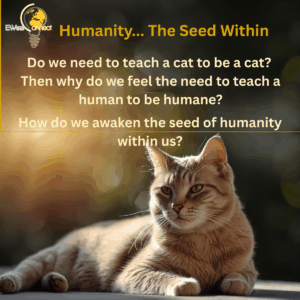
Do we need to teach a cat to be a cat? Then why do we feel the need to teach a human to be humane?

Think about a leader who abused their power, or a tyrant you can imagine. Even that person was once a baby, born with the seed of humanity. Every one of us carries that seed. It is the core of our soul. But as we grow, we are exposed to all kinds of feelings and behaviors. Light and darkness. Good and evil. Both live within us

Nelson Mandela once said: “As I walked out the door toward the gate that would lead to my freedom, I knew if I didn’t leave my bitterness and hatred behind, I’d still be in prison.”

Mandela endured 27 years in prison. Yet, instead of fueling hatred, he chose forgiveness. He ended apartheid by first separating himself from bitterness. Forgiveness and peace became his banner. He proved that the seed of humanity never disappears, even if buried in darkness.

It’s true that what we witness, inherit, and experience from our families, schools, communities, and politics shapes us. Yes, hatred, injustice, and distrust can be passed down to us. What makes the difference is which part we were fed first. But as we grow, whether we continue feeding hatred or compassion becomes our decision.

So How do we awaken the seed of humanity within us? How do we nurture it so it flourishes?

As a professional, I had the honor of working closely with refugees. I believe that behind every refugee story is courage, resilience, and our shared humanity. A refugee is not a label, but rather a recognition of the many complex external factors that force a human being to leave behind home, work, school, savings, and cherished memories. Leaving all that behind is one of life’s hardest decisions. “Choice” a word many of us take for granted is often absent from their lives.

Over the years, I supported more than 65 displaced families: listening deeply to their stories and hopes, and walking alongside them as they rebuilt their lives with courage and dignity. My holistic coaching approach empowered individuals and families to reclaim agency and reconnect with their inner resilience.

Through my work I learned that sometimes the toughest environments teach us the most about who we are and how we can become a better version of ourselves. Here I share what I have learned, and how you too can nurture and embody humanity as a living value.

The seed of humanity is never gone. It may lie hidden, neglected, or overshadowed by fear and injustice. But it is always there, waiting to be awakened.

Here are 10 practices I’ve learned from my work with refugees and from life itself that can help us nurture and sustain this seed of humanity.

10 practices to awaken and sustain our shared humanity

1. Connect with Your “Why”

Many displaced families rebuilt their lives because they held onto a bigger “why”; their children, their future, their dignity, their calling. Purpose gave them the strength to endure hardship and keep moving forward.

Your “why” is your inner compass. It reflects your deepest values and connects you with what matters most. When you return to it, you find direction, resilience, and meaning even in uncertain times.

🤔 Reflective question: What purpose fuels your resilience and keeps you connected to what matters most?


2. Practice Forgiveness

Working with refugees taught me that kindness and generosity often bloom strongest in times of scarcity. At the root of humanity lies one essential value: forgiveness.

Forgiveness doesn’t mean forgetting, and it doesn’t mean approving what happened. It is not about others, it is about you. When you forgive, you release the weight of resentment, freeing yourself to move on, to reconnect with your hopes, and to move closer to your goals. Only then can compassion, kindness, and gratitude take root and grow.

🤔 Reflective question: Where in your life could forgiveness for yourself or for others open space for healing and new possibilities?


3. Be Present

Many families I worked with carried invisible burdens. By being fully present, I could hear not only their words, but their silences.

Presence starts within, listen deeply to your body. Notice your triggers, inner dialogue, and patterns of behavior along with your chosen and inherited values. When you learn to show up fully in the moment, you create the capacity to be truly present with others. Presence is the first step to connection.

🤔 Reflective question: What helps you return to the present moment when you are distracted?


4. Embrace Vulnerability

Families who shared their pain also revealed their deepest strength. Vulnerability is not weakness , it is courage. When we dare to be seen as we are, we invite connection on a deeper level.

Let go of the illusion of perfection. Share your imperfections, fears, and unique qualities. They are what make you human and relatable. Vulnerability is the bridge that transforms isolation into belonging.

🤔 Reflective question: What part of yourself are you most afraid to reveal and what connection might it create if you did?


5. Cultivate Humility & Openness

True wisdom often comes from listening, not speaking. Humility begins when we create space for others to teach us, valuing their experiences as much as our own. It shifts us from needing to be right to being open to growth.

Openness goes hand in hand with humility. It means stepping beyond our own perspective, recognizing that what’s “normal” is not universal. We don’t need to agree with everything we encounter, but we do need to respect that others come from different backgrounds and experiences.

Together, humility and openness move us from judgment to curiosity, from walls to bridges.

🤔 Reflective questions:

Where could you step back with humility, and what assumptions might you need to let go of to see through another’s eyes?

What mindset, feelings, or practices could help you embody a posture of openness?


6. Fill Your Cup

I realised I couldn’t support others if I was exhausted. Self-care is not selfish, it is essential.

Nurture yourself physically, emotionally, and spiritually. Only then can you give from a place of wholeness and generosity. An empty vessel cannot fill another’s cup.

🤔 Reflective question: What one small habit can you begin today to restore your energy and refill your cup?


7. Nurture Hope and Joy

Even in hardship, I witnessed moments of laughter, shared meals, and small joys that kept people going. Hope and joy are quiet acts of resistance against despair.

Celebrate small wins. Share beauty, gratitude, and joy. Hope is the fuel for resilience.

“Remember that hope is a powerful weapon even when all else is lost.” Nelson Mandela

🤔 Reflective question: What keeps hope alive for you, even in difficult times?


8. Align and Stay Grounded

In the chaos of transition, grounding practices and connecting with core values became anchors for them, and for me.

Staying grounded is about finding stability in what sustains you, even when the world feels uncertain. Practice mindfulness, prayer, breathwork, or spend time in nature. Let creativity rooted in kindness remind you of your shared humanity and values. Grounding reconnects us with what truly matters.

🤔 Reflective question: What practice helps you return to your center when life feels chaotic?


9. Act with Compassion

There is something powerful about softening our hearts through giving. Compassion is not just a feeling it is action.

Visit orphanages, sit with the elderly in nursing homes, spend time with those who are vulnerable. This is not about online donations, it is about being physically present, letting people know they matter. You may feel both joy and pain, but in that tension the seed of humanity awakens in you and in them. Compassion grows when we choose presence over distance.

🤔 Reflective question: Where could you show up this week to remind someone that they are seen, cared for, and not forgotten?


10. Build Meaningful Connections

Healing happened not in isolation, but in community. Families thrived when supported by networks of care.

Nurture relationships of trust. Ask for help, offer support, volunteer, give, and serve beyond yourself. Humanity flourishes when we lift one another.

🤔 Reflective question: What connection can you strengthen this week?

Together, these practices don’t just awaken humanity, they sustain it.

The seed of humanity is already within us. It doesn’t need to be taught, only nurtured, watered, and given light. The real question is not whether we have it but whether we will choose to feed it, every day, through the choices we make and the lives we touch.

What Roots Do You Want to Water Today?


If this resonates, you might also enjoy my articles:

From Displacement to Belonging: How Can We Create Genuine Integration That Transcends Borders and Differences?

The Art of Deep Listening: 6 Steps to Build Deeper Connections and Better Results

Mindful Eating: How a New Habit Can Change Your Life

The Power of “I” Statements: How “I” Statements Transform Conversations at Work


Rehab Abbas – Leadership Coach | Somatic, Stress & Wellbeing Coach | Certified Values Facilitator

I help you turn goals into achievements and break the cycle of procrastination through practical, values-driven steps tailored to your life

My Blog

 Book your Meet & Greet Call here

The Power of “I” Statements: How “I” Statements Transform Conversations at Work

Uncategorized

I was first introduced to the concept of “I” statements during a parenting facilitation course. Over time, I realised that this simple yet powerful tool isn’t just useful for parents, it’s a communication strategy that works with adults and in many aspects of our lives, including the workplace.

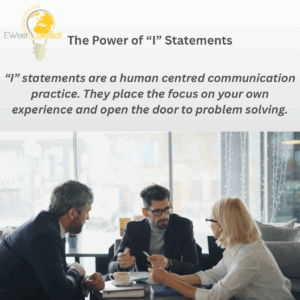
“I” statements are a human centred communication practice. They place the focus on your own experience and open the door to problem solving.

So often, when we’re upset, our words trigger the other person’s fight, flight, or freeze response. They stop listening and start preparing their defence. The conversation quickly shifts from connection to conflict.

“I” statements create the opposite effect. They allow the speaker to stay focused on their own experience and emotions without blaming, shaming, or playing the victim. At the same time, they invite the listener to actively listen with empathy rather than defensiveness.

Clear, effective communication is at the heart of every successful workplace. Yet many conflicts at work arise from misunderstanding, defensiveness, or unspoken frustration. One simple but powerful way to shift this is through the use of “I” statements.

The Structure Is Simple

1. I feel (state your feelings)

2. When (describe the specific behaviour or situation that triggered the feeling, without blame)

3. Because (explain the impact it has on you, your work, or your performance)

4. What I need/what would help (suggest a constructive alternative or solution)

Examples of “I” Statements in the Workplace

Creating realistic timelines

“I feel uneasy when deadlines are missed because it makes it harder for me to stay focused and organised. What would help is for us to agree on realistic timelines and set regular check-ins along the way.”

Ensuring transparent communication

“I feel left out when I’m not included in updates about our joint project because it leaves me unclear on decisions that affect my work. Moving forward, it would be helpful to be included in weekly update or follow-up emails.”

Balancing workload expectations

“I feel overwhelmed when several tasks come in at once without a clear sense of priority. It would make a big difference if we could decide together what needs to be tackled first.”

“I” statements move us from arguments toward understanding and from conflict toward solutions.

Why “I” Statements Matter at Work

Promote active listening – By speaking from your own perspective, you reduce defensiveness and expand the capacity for colleagues to listen with empathy and compassion.

Solution-focused and future-oriented – Instead of hinting or holding back, you name exactly what’s happening and clarify what would make things better moving forward. This promotes teamwork, shared responsibility, and co-creating solutions.

Honouring the human side of work – Often in the workplace, emotions are left out. “I” statements create space to bring your whole self; thoughts, feelings, and values into conversations in a constructive way.

Beyond the Workplace

“I” statements are not only for the office. They can strengthen communication and relationships in every area of life.

Reflect on these questions:

• Where in your life would you like to shift a conversation or relationship?

• What do you need to let go of in order to share your deeper feelings?

• How do you feel and respond when facing decline or rejection?

• What does vulnerability mean to you? What words do you associate with it…weakness, shame, strength, boldness? What new interpretations could be helpful?

Listening Matters Too

Communication isn’t only about what we say. It’s also about how we listen. When someone shares their feelings with you:

• How do you respond?

• What shifts if you listen to understand, rather than to react?

• What values and emotions do you associate with deep listening?

• How might your body posture, tone of voice, and facial expressions open the space for dialogue or unintentionally close it?

“I” statements provide a framework for expressing concerns honestly while preserving relationships. When people feel heard and respected, conversations focus on solutions instead of arguments. They help the speaker express their truth, and they help the listener stay open and compassionate, turning potential conflicts into opportunities for understanding and growth.

Where could you try an “I” statement this week?

If this resonates, you might also enjoy my articles:

The Art of Deep Listening

Mindful Eating: How a New Habit Can Change Your Life

From Displacement to Belonging: How Can We Create Genuine Integration That Transcends Borders and Differences?


Rehab Abbas – Leadership Coach | Somatic, Stress & Wellbeing Coach | Certified Values Facilitator

I help you turn goals into achievements and break the cycle of procrastination through practical, values-driven steps tailored to your life

My Blog

 Book your Meet & Greet Call here
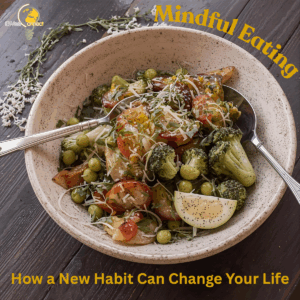
Mindful Eating: How a New Habit Can Change Your Life

Uncategorized

Anyone who knows me knows how much I value health—through sport, food, and the daily choices I make. But a few months ago, I gave myself a new challenge: to practice mindful eating.

It wasn’t just about food. It was about presence, patience, and noticing how everything we do, think, and feel is interconnected. Here are the steps I took, and the lessons I learned along the way:

1. Connect with Your Why

Ask yourself: Why do I want to practice [name your new practice]?

When challenges come, your “why” becomes your anchor. Mine was simple but profound: to be present, to savor the moment.

💡 Food for thought: What’s your deepest reason?

2. Imagine Your Future

Start from the end line—get clear about the destination you want to reach.

Use visualization to connect with your senses, your inner self, and even the people and places around you.

Try this:
Close your eyes and imagine yourself having already achieved your goal. Where are you—outdoors in nature or indoors? What are you wearing? How do you feel? Who is with you? What do you hear, smell, or touch? What are you saying to yourself?

The clearer your vision of the future, the stronger your commitment will be to your daily actions.

💡 Food for thought: How would your life look and feel six months from now if you truly lived this habit?

3. Be Curious and Dig Deeper

At first, I told myself: I don’t have time. But as a coach, I know surface thoughts often hide deeper beliefs. So, I began to ask: What emotions lie beneath these assumptions? What past experiences feed them? What posture does my body take?

Curiosity helped me move from judgment to awareness.

💡 Food for thought: Next time you hear inner resistance, ask: What else could be true?

4. Challenge Yourself: Find Your How

Time was my biggest excuse. My question became: How can I manage my time more efficiently?

The tool that helped me most was Time Boxing—assigning a fixed block of time to each activity.

Instead of saying “I’ll eat mindfully today,” I scheduled “12:30–1:00 PM: Lunch, mindfully.”

💡 Food for thought: What tools or strategies could you try to make your new habit a reality?

5. Be Resilient: Observe, Reflect, Adjust

Some weeks I managed mindful eating three times, other weeks less. The real shift came from observing: What supported me? What got in the way?

I noticed that when I walked in the morning, I was more mindful at lunch. Awareness became my compass.

💡 Food for thought: What small patterns can you notice—and build on?

6. Slow Down & Be Your Own Cheerleader

I learned to chew until the food was soft, to pause, to savor. This practice spilled into other parts of my life: less scrolling on social media, more patience with my family, more creativity at work.

And yes—I celebrated the small wins. Change isn’t just about learning new habits; it’s also about unlearning old ones.

💡 Food for thought: How can you celebrate progress instead of waiting for perfection?

7. Redesign Your Environment and Boundaries

People and places matter. To support a new habit, I found I needed to make small but intentional changes in my environment. For example, I:

  • Put candles on the table.
  • Ate away from the TV.
  • Played calm, slow music in the background.

I also redefined some boundaries with people around me. I spoke about my new habit with those who could encourage and support me or even practice it alongside me.

💡 Food for thought: What small changes in your surroundings could help you succeed?

Mindful eating started as a challenge with food, but it became a mirror for my life. It taught me that less time can mean more presence, that slowing down can open new doors, and that being kind to yourself is the key to real change.

What one habit could you approach more mindfully starting today?

And if you’re curious about how to break the cycle of procrastination and take real steps toward your goals, you may also enjoy my article:

5 Practical Steps to Break the Cycle of Procrastination and Begin Real Change 

The Art of Deep Listening: 6 Steps to Build Deeper Connections and Better Results

The Power of “I” Statements: How “I” Statements Transform Conversations at Work


Rehab Abbas – Leadership Coach | Somatic, Stress & Wellbeing Coach | Certified Values Facilitator

I help you turn goals into achievements and break the cycle of procrastination through practical, values-driven steps tailored to your life

My Blog

 Book your Meet & Greet Call here
From Displacement to Belonging: How Can We Create Genuine Integration That Transcends Borders and Differences?

Uncategorized

10 Keys to Inclusive and Cohesive Communities

In a world of endless wars, displacement has become inevitable. People are forced to flee into the unknown, crossing borders in search of safety and stability. Yet, when they finally arrive in the host country, they often discover that arrival is not the end of their journey, but the beginning of a longer and more complex one.

This raises an urgent question: How can we create genuine integration that transcends borders and differences, and how can host countries build communities that are truly welcoming and inclusive for all?

In this article, I share ten practical keys that can make a real difference in building communities that do not merely acknowledge differences, but respect and celebrate them.

1. Integration Begins Before Arrival

Integration does not start when refugees physically arrive in the host country. It begins the moment they are informed of their journey. At that stage, refugees are preoccupied with procedures while also imagining their future, a journey colored by hope, but clouded with uncertainty.

Early engagement is crucial, even through a simple introductory call in their own language (or via a translator). Introducing them to those who will support them and addressing their concerns plants the first seeds of trust, and softens the uncertainty of the unknown.

2. Securing the Basics: The First Step Forward

Securing essential needs—housing, clothing, food, healthcare, and school enrollment—should start before arrival. This preparation shortens waiting times and allows refugees to begin their integration journey more smoothly.

3. Clear Expectations, Stronger Foundation

Induction sessions are vital to manage expectations and prevent misunderstandings. They should include:

• Introducing the responsible resettlement institution.

• Clarifying the program’s ultimate goal: achieving independence and meaningful integration.

• Sharing the contact details of the family support team, along with working hours and emergency numbers.

• Providing clear information on essential services such as transportation, healthcare, markets, and places of worship.

• Clarifying mutual roles and responsibilities, emphasizing that integration is a shared journey—not a task for one side alone.

4. Wellbeing First: The Heart of Lasting Integration

Many refugees have endured severe trauma, leaving them vulnerable to anxiety, depression, or isolation. Consistent access to healthcare and psychological support—delivered with cultural sensitivity—is vital for successful integration.

5. Family Reunification: Stronger Families, Stable Communities

Having family nearby makes a profound difference in refugees’ ability to adapt and heal. Supporting family reunification policies is essential to ensure refugees can rebuild stable and dignified lives.

6. Language Opens Doors to Belonging

Language unlocks doors to community life. Tailored, intensive language programs—designed with practical, everyday learning in mind—accelerate integration. The most effective way to learn is through lived experiences: buying a train ticket, shopping at the market, or engaging in daily interactions.

7. Mutual Awareness: Building Bridges of Understanding

Awareness workshops should be two way:

For refugees: to gain knowledge of civil rights, political and educational systems, cultural values, social norms, and parental responsibilities.

For local communities: to dispel misconceptions and stereotypes, strengthen mutual understanding, and build awareness of the transitional challenges refugees face.

8. Stories of Refugees: From Hardship to Hope

Every refugee journey holds not only hardship but also courage and resilience. Sharing refugees’ success stories and highlighting their contributions fosters hope and builds bridges of empathy and humanity between communities.

9. Together We Build Inclusive Communities

True integration is built on collaboration. Engaging refugees alongside local organizations, employers, schools, sports clubs, faith groups, and civic institutions in co-designing initiatives—such as cultural festivals and joint celebrations—creates spaces of shared belonging.

At the same time, opportunities for volunteering and shared activities—whether through sports, cooking, arts, or music—foster genuine human connections and transform local residents into active allies and advocates for integration.

10. From Skills to Empowerment: Pathways to Independence

Assessing refugees’ skills and experiences is essential for guiding them towards training and employment opportunities. Partnerships with educational institutions, trade unions, and employers can provide professional programs, recognized certifications, and pathways to financial independence.

Many local communities also lead innovative initiatives—empowering youth and women with leadership programs that build confidence, strengthen communication skills, and support small business startups creating sustainable change from within.

Support for refugees cannot be one-size-fits-all. It must reflect their diverse needs, educational backgrounds, and personal journeys. The path of someone with a university degree and strong language-learning ability is very different from that of someone with no formal education.

At its core, integration is a human journey, one that begins with a warm welcome and grows into shared communities grounded in respect, dignity, and justice for all.

👉 You may also enjoy my articles:

Humanity…The Seed Within. What Roots Do You Want to Water Today?

The Art of Deep Listening: 6 Steps to Build Deeper Connections and Better Results

The Power of “I” Statements: How “I” Statements Transform Conversations at Work


Rehab Abbas – Leadership Coach | Somatic, Stress & Wellbeing Coach | Certified Values Facilitator

I help you turn goals into achievements and break the cycle of procrastination through practical, values-driven steps tailored to your life

My Blog

 Book your Meet & Greet Call here
The Art of Deep Listening: 6 Steps to Build Deeper Connections and Better Results

Uncategorized

Listening is about taking a journey to the interior of the other person – Hermann Hesse

Have you ever asked yourself: Do I truly listen to others, or do I just hear their words?

Active listening means being fully present, not just with your body or your words, but with your mind and emotions as well. It’s the art of paying attention to what is said and what is not said: body language, tone of voice, and even the emotions behind the words.

According to Albert Mehrabian’s famous communication model:

• 7% of communication is conveyed through words

• 38% through tone of voice

• 55% through body language

This is where the difference lies between simply hearing and actively listening.

Here are 6 powerful steps to cultivate the art of deep listening:

1. Be Fully Present

Presence is not just about showing up physically or turning on your camera. It’s about showing up with your body, mind, and heart—while eliminating distractions such as your phone, emails, or preparing your next response.

Example: When a colleague speaks about an important project, give them your undivided attention. They will feel that their words matter.

2. Embrace Silence – Don’t Interrupt

Different people communicate differently—some share the core message at the beginning, others leave it to the end. If you interrupt, you risk missing the most important part.

Example: In meetings, allow the speaker to finish—even if you already have an answer. Silence opens the door to deeper understanding.

3. Use Signals of Engagement

Small signals can create big impact: short eye contact, a nod, or a gentle smile can encourage trust and connection.

Example: During a conversation, a simple nod or “mm-hmm” can invite the other person to continue.

Be mindful of cultural differences: in some cultures, prolonged eye contact may be seen as intrusive rather than attentive.

4. Stay Open and Curious

It’s natural to evaluate or judge what we hear—but that often blocks true connection. Instead, transform your thoughts and judgments into curious, open-ended questions that invite deeper sharing.

If your inner voice says: They won’t finish on time”, ask:

What are your current priorities? What might you adjust to meet the deadline? What support would help you succeed?

If you think: I won’t get the outcome I want”, say:

I know you’re highly skilled, and I’d love to ensure we’re aligned. Could we spend a few minutes clarifying expectations? What exactly will be delivered?…by when, and …how?

If your judgment is: She won’t collaborate with the team”, ask:

From your perspective, what’s the best way to collaborate effectively with your colleagues? What do you see as your role within the team? What could make teamwork easier for everyone?

By shifting from judgment to curiosity, you not only change your own behaviour you also give the other person the gift of being truly heard.

5. Summarise and Check Understanding

Paraphrasing in your own words shows that you care and confirms alignment.

Example: So, what I hear is that you’ll complete the first stage by Wednesday, correct?” or “Thank you for your time—let me summarize the key points we discussed to make sure we’re on the same page.”

6. Stay Calm and Centered

Not all conversations are easy. When emotions rise, remind yourself of the bigger purpose. Pause, breathe deeply, and notice your posture and tone. Even a short breathing exercise can shift your energy, soften your expression, open your body language, and ground your presence.

Deep listening is both a human and leadership skill—one that can be refined with awareness and practice until it becomes second nature.

And remember: just as you listen to others, don’t forget to listen to yourself as well. True listening begins within tuning into your body, mind, emotions, aligning with your core values, and reconnecting with what matters most. This inner awareness is the foundation that allows us to listen deeply, lead authentically, and create meaningful connections with others… a topic we will explore in another article.


Rehab Abbas – Leadership & Somatic Coach | Stress & Wellbeing Coach | Certified Values Facilitator

At EWest Connect, I help leaders cultivate active listening that begins within — strengthening their ability to tune into their own body, values, and energy. From this inner awareness, they learn to truly listen to, understand, and inspire others — creating authentic connections and meaningful impact.

 Book your discovery session here

5 Practical Steps to Break the Cycle of Procrastination and Begin Real Change

Uncategorized


Do you have goals you’ve been longing to achieve?

Do you dream of a brighter future, only to find yourself stuck in the same cycle—starting with excitement, rushing into quick decisions and actions as if running a marathon, then slowly losing focus, falling into procrastination and boredom, until frustration sets in… and you stop?

Your present and future begin to look exactly like your past. Yesterday feels like today, and today looks no different from tomorrow. You try again and again, but the result remains the same. This is the vicious circle.

In this article, I’ll share with you five simple yet powerful steps to help you break this cycle and turn your days into a tool for transformation, so that tomorrow truly becomes better than yesterday. If you commit to these steps for just 30 days, you will start to notice a real difference in your life.

1. Define Your Goals… and Start with Why

Before you begin any change, ask yourself: Why do I want this goal?

This question will be your anchor when you face challenges.

One of the best books in this area is Start With Why by Simon Sinek, which explains that successful leaders begin by understanding their “why” before moving to the “how” and “what.”

Practical exercise:

Pick three goals you’ve always wanted to achieve. For each goal, ask yourself “Why do I want to achieve this?” five times in a row. With each answer, go deeper until you uncover the real emotional reason behind it.

Example:

  • I want to quit smoking. Why? Because it’s harmful to my health.
  • Why harmful? Because it reduces my energy.
  • Why does that matter? Because I get tired easily and want to go to the gym regularly.
  • Why the gym? Because I want to feel active and positive.
  • Why do I want to be active and positive? Because I want to play with my grandchildren with energy and create happy memories with them.

Here, your true “why” is not just quitting smoking—it’s living with health and energy so you can enjoy life with your grandchildren.

2. Visualise Your Future

After defining your goals, choose one to start with and give it your full focus.

Visualisation exercise:

Close your eyes and imagine yourself having already achieved your goal. Place yourself in the future—what month, what year is it? Where are you—outdoors in nature or indoors? What are you wearing? How do you feel? Who is with you? What are they saying to you? What are you saying to yourself? What do you hear, smell, or touch?

Make the image vivid and alive, using all your senses until it feels real in the present moment.

The clearer your vision of the future, the stronger your commitment will be to your daily actions.

3. Choose Supportive Resources

Every goal needs clear sources of support—tools, knowledge, or people that help you stay motivated and move forward step by step.

Tip: Don’t overwhelm yourself with too many. Two or three focused resources are enough to keep you committed and consistent.

Examples:

  • Working with a coach or mentor who provides you with a plan and accountability.
  • Reading one book or following a podcast related to your goal.
  • Enrolling in a training course to learn or develop a specific skill.
  • Watching short educational videos and applying them immediately.
  • Practicing shadowing if your goal is to learn a new language.

4. Organise Your Time (Time Boxing Strategy)

One of the most effective ways to stay consistent is the Time Boxing method. Instead of writing long to-do lists that may overwhelm you, you assign a fixed block of time to each important activity.

This way, your goals become part of your schedule, just like meetings or appointments—non-negotiable and less likely to be skipped.

Steps to apply Time Boxing:

  • Identify the key activities linked to your goal (reading, exercise, language practice, affirmations).
  • Assign a specific block of time in your daily schedule. Not “I’ll exercise today,” but “8:00–8:30 AM: Workout.”
  • Be realistic with your time. Don’t allocate 20 minutes to something that actually requires an hour. Avoid unnecessary pressure and disappointment.
  • Blend goals with your daily routine. For example: listen to a podcast or audiobook related to your goal while walking or commuting.

Important tip: Stay flexible. If you miss a time block one day, don’t consider it a failure—use it as feedback. Adjust your plan and start fresh the next day.

5. Track, Reflect, and Restart

At the end of each day, review your progress. Write down the habits and thoughts that supported you and those that held you back.

This awareness will help you identify what to keep and what to let go of. Over time, you’ll build a set of empowering habits that truly represent who you are (rather than inherited patterns that don’t serve you).

And don’t forget: celebrate small wins and be kind to yourself. They are the building blocks of big success.

Change doesn’t happen overnight. It begins with a single decision—the decision to give yourself a real chance to live the life you’ve been dreaming of.

Remember: the next 30 days will pass whether you start or not. But if you start today, 30 days from now you could be looking at a better, stronger version of yourself.

So start now, and make this your mantra:

“I deserve a better life—and I will create it.”

Breaking the cycle of procrastination is about building momentum. One way to strengthen that practice is by cultivating presence in the smallest daily choices.

👉 You may also enjoy my articles:

Mindful Eating: How a New Habit Can Change Your Life

5 Practical Steps to Break the Cycle of Procrastination and Begin Real Change 

The Art of Deep Listening: 6 Steps to Build Deeper Connections and Better Results

The Power of “I” Statements: How “I” Statements Transform Conversations at Work


Rehab Abbas – Leadership Coach | Somatic, Stress & Wellbeing Coach | Certified Values Facilitator

I help you turn goals into achievements and break the cycle of procrastination through practical, values-driven steps tailored to your life

My Blog

 Book your Meet & Greet Call here

Value Congruence…What Is It, and Why It Matters?

Uncategorized

Value Congruence…What Is It, and Why It Matters?


“Culture is the total sum of knowledge, behaviour patterns, priorities and values shared and transmitted by members of a particular society.” Ralph Linton

Culture is at the heart of all we do and pre-determines how we show up in the world. When we can practice our personal values in life and work, we close the gap between who we are, how we show up, and how others perceive us. Practising one’s values within the framework of corporate values establishes credibility, and the greatest level of coherence between the two is reached.

What Is Value Congruence?

Value congruence can be viewed as the binding set of shared values that form a cohesive bond between organisations, groups, and individuals. When the organisation’s values are different from its employees, the effectiveness of all levels of the organisation is negatively affected.

That’s because an incongruence is created when group values differ from individuals, and the team’s effectiveness is hindered. Incongruence leads to degraded performance, personal dissatisfaction, and procrastination.

Therefore, achieving value congruence within an organisation involves three steps.

the individual, the group, and finally, connecting to the organization

Step 1: Individual Value Congruence

Starting with yourself

At its core, values start with yourself. Organisational and group values certainly play critical roles in building value congruence. But if individuals are not in alignment with their internal values, then congruence cannot be achieved in teams or the organisation.

Self-awareness is vital for knowledge and change. Put succinctly, it is the harmonious connection between how we state we want to conduct ourselves with how we actually live because personal values form the basis of motivation and psychological happiness.

“At EWest Connect We work with individuals and teams to gain clarity and understanding of their normative and descriptive values.”

Step 2: Value Congruence in Groups

Meeting the group on common ground

An intermediate step is required before individuals can align their values and the organisation. The group is where people come together with similarities and differences. However, the word “uniqueness” shifts the mindset to be curious and appreciative rather than the word “differences,” which can change the mindset to label and persuade.

To build a healthy and successful team culture, you must start with trust as the foundation because it creates a safe space for collaboration. As long as trust is in place, individual team members are open to being challenged, viewing and discussing different perspectives, and voicing disagreement.

“We use unique interactive tools and techniques supporting groups to prioritise their values, establish linkages to the driving forces behind those values to harness them for organisational purposes.”

Step 3: Organisational Value Congruence

Connecting to the organisation

When management establishes corporate values, employees don’t automatically fall in line. Individuals and groups must be connected to the organisation to resolve incongruencies where individual values conflict with the corporate direction.

Teams are the bridge between individual and corporate values. Employees can relate to the organisation’s purpose and culture through personal commitment to enterprise-aligned group values, and their authentic contributions to corporate goals lead to organisational value congruence.

“Our consulting and coaching services unlock the hidden potential of every organisation by creating a common objective for individuals, groups and organisations and building a solid culture.”

Applying Our Expertise

At EWest Connect, our job is to work with individuals and teams to gain clarity and understanding of their normative and descriptive values and establish linkages to the driving forces behind those values to harness them for organisational purposes using our unique application of value congruence methodologies, techniques, and tools.

Our training and coaching unlock the hidden potential of every organisation by creating a common objective for all constituents and building a solid culture that collaborates with individuals, teams and organisations.